Syrian Media Literacy: Understanding Truth & Propaganda
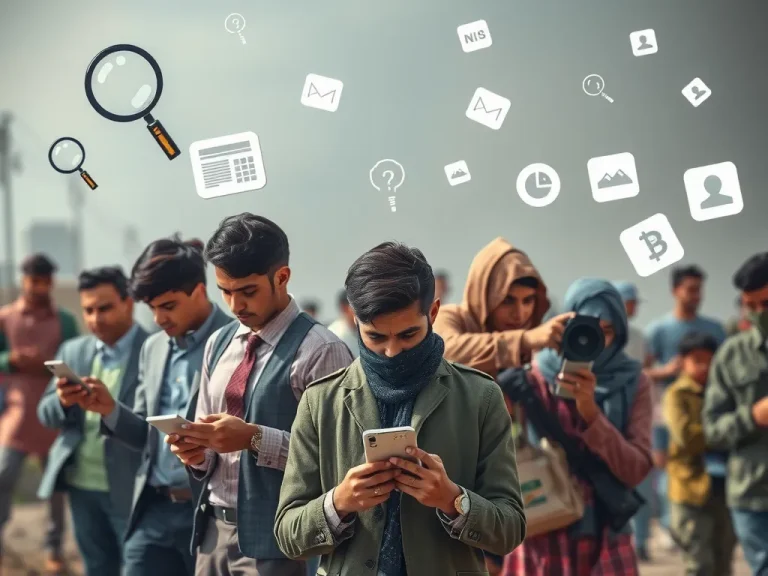
In Syria’s complicated political scene, media literacy is becoming more important for telling the truth from widespread propaganda. As the country shifts from conflict toward peace, citizens’ ability to navigate the media world is a key tool for democratic empowerment. This article looks at the role of media literacy in conflict areas like Syria and offers practical ways to spot and counter propaganda.
The Challenges of Media in Conflict Areas
Conflict zones, especially those marked by deep political unrest like Syria, present significant challenges for media users. According to
timep.org
, disinformation fuels fear and division. In post-Assad Syria, misinformation spread by state and non-state players aims to influence public perception and control narratives. This undermines peace efforts and complicates the political transition process.
Impact of Propaganda in Syria
Propaganda in Syria is a tool of information warfare, as highlighted by research on
academia.edu
. By using manipulative narratives to sway public sentiment, it becomes hard to separate factual reporting from politically driven misinformation. This method has been used throughout the Syrian conflict to skew perceptions and deepen societal divides.
Successful Media Literacy Programs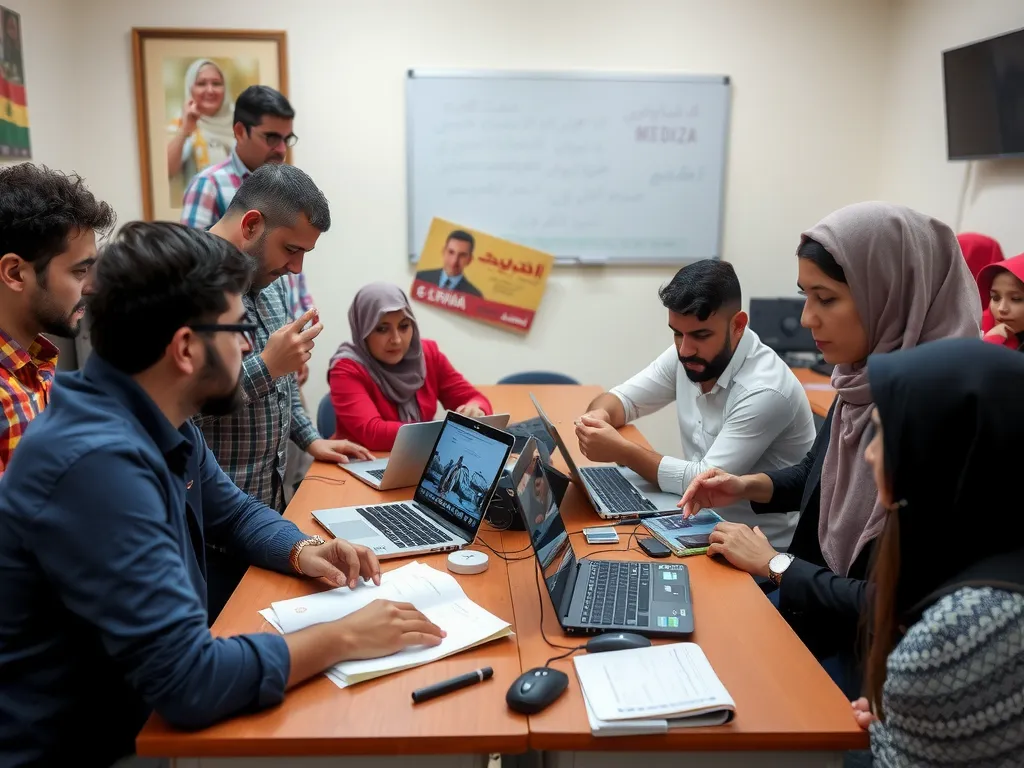
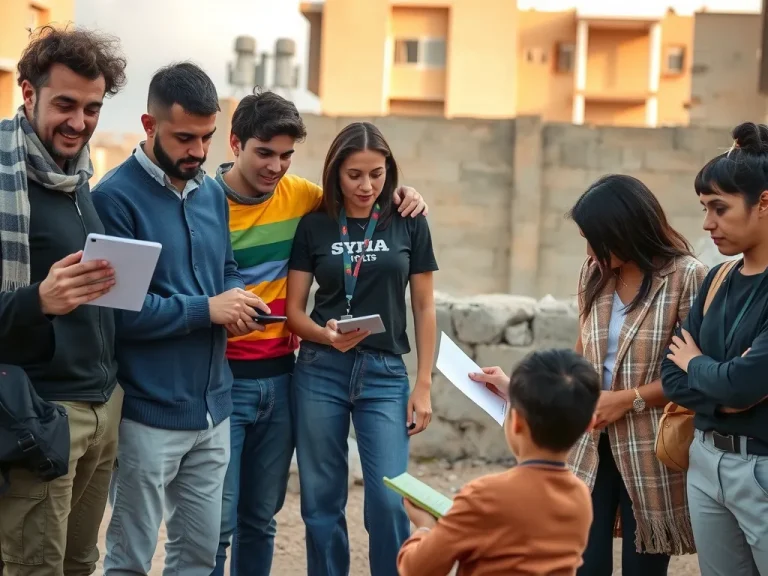
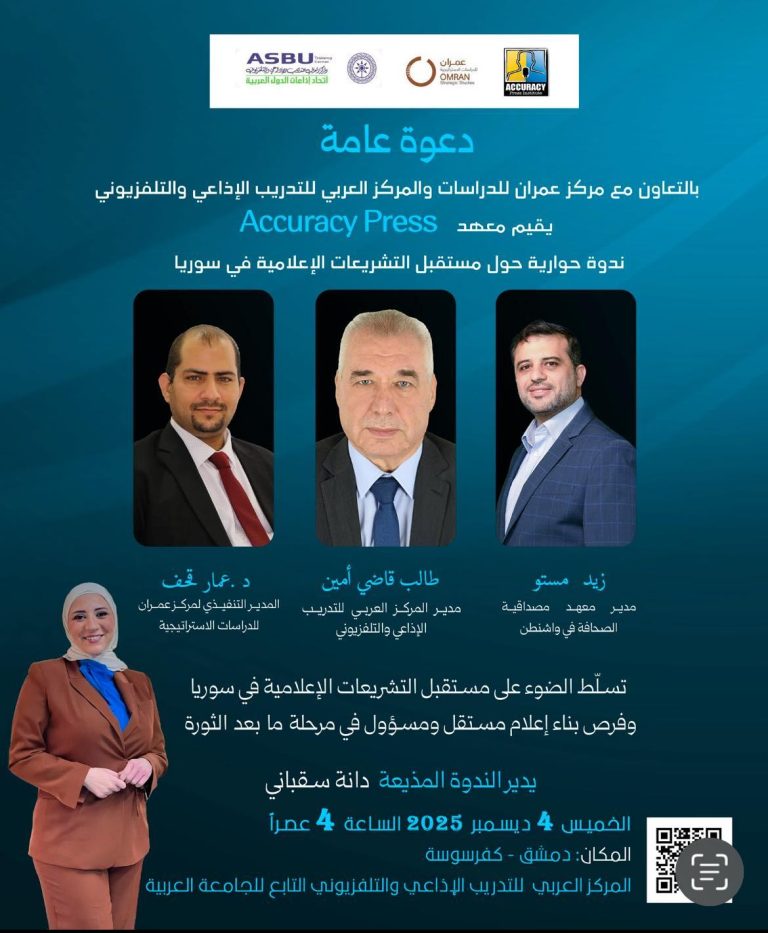
Despite these challenges, some programs have effectively boosted media literacy in Syria. Educational initiatives that emphasize critical thinking and evaluating sources show promise. Training workshops on digital literacy and media analysis have helped Syrian citizens better assess the information they encounter daily.
Practical Tips for Recognizing Accurate News
-
Verify Sources:
Always check the credibility of news outlets. Trust those with a history of accurate reporting and transparent operations. -
Cross-Reference Information:
Compare coverage across multiple sources to find shared facts. This helps reveal biases and potential misinformation. -
Question Emotional Appeals:
Be wary of content designed to provoke strong emotions. Propaganda often relies on intense emotional triggers. -
Acknowledge Biases:
Recognize your own biases and how they may affect interpretation. A more neutral stance supports critical evaluation.
Conclusion
Media literacy is a strong defense against the widespread influence of propaganda in conflict zones like Syria. By developing critical thinking and analytical skills, individuals can more effectively identify accurate information—essential for a peaceful, informed society. As more programs focus on empowering media users in these contexts, the path to a stable, democratic Syria becomes clearer.
For more insights into media literacy and its impact in post-conflict settings, explore the comprehensive research available at
timep.org
.