Syrian Conflict: The Power of Visual Storytelling
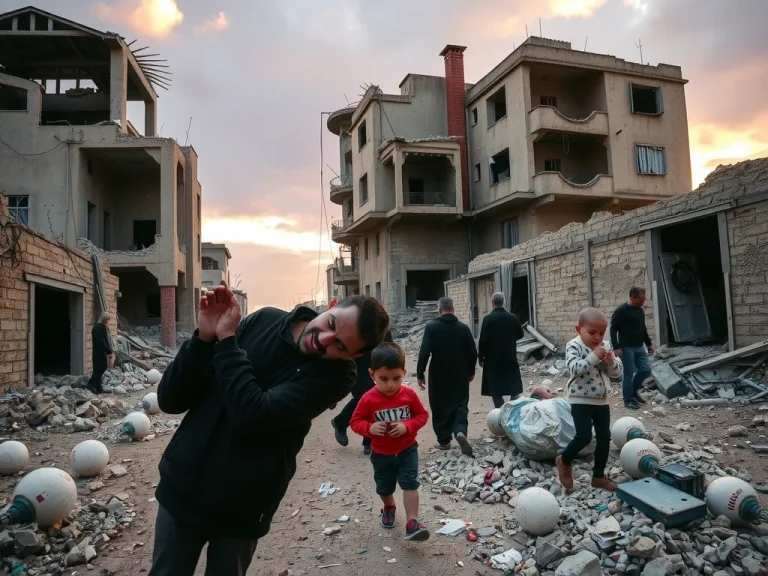
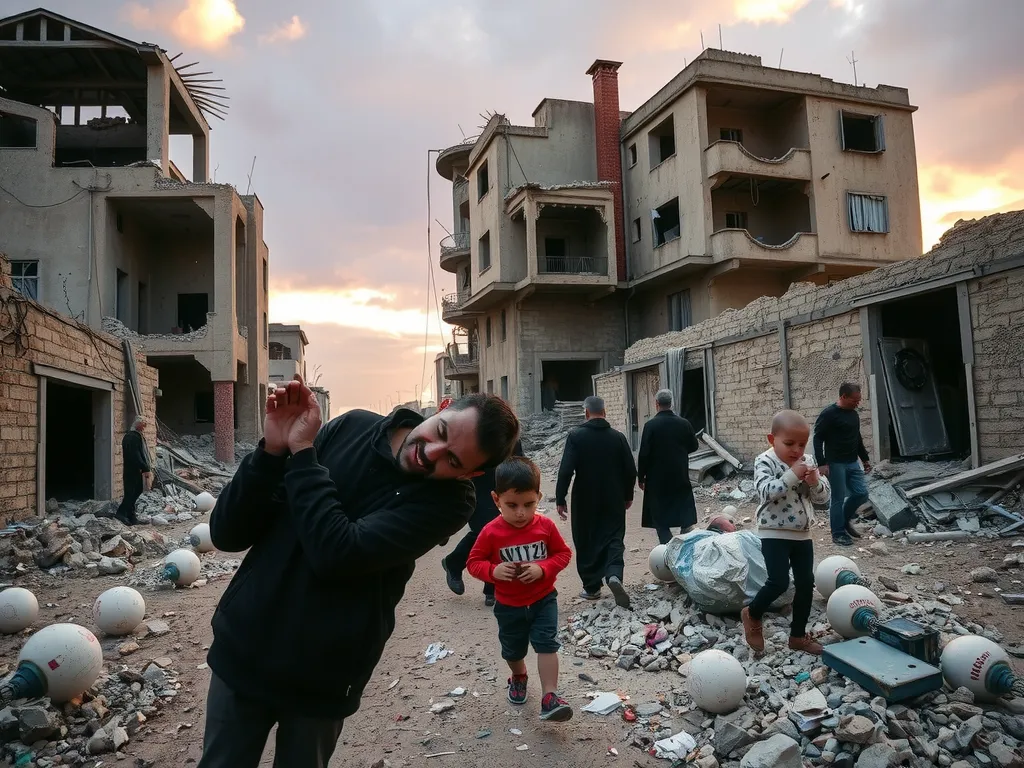
The Syrian conflict, one of the most visually captured wars in history, has been revealed to the world in vivid detail. Through the eyes of Syrian photographers and global journalists, its harsh reality is shown to audiences worldwide. This visual account not only brings the war to life but also silently pleads for peace and comprehension.
The Humanizing Impact of Visual Storytelling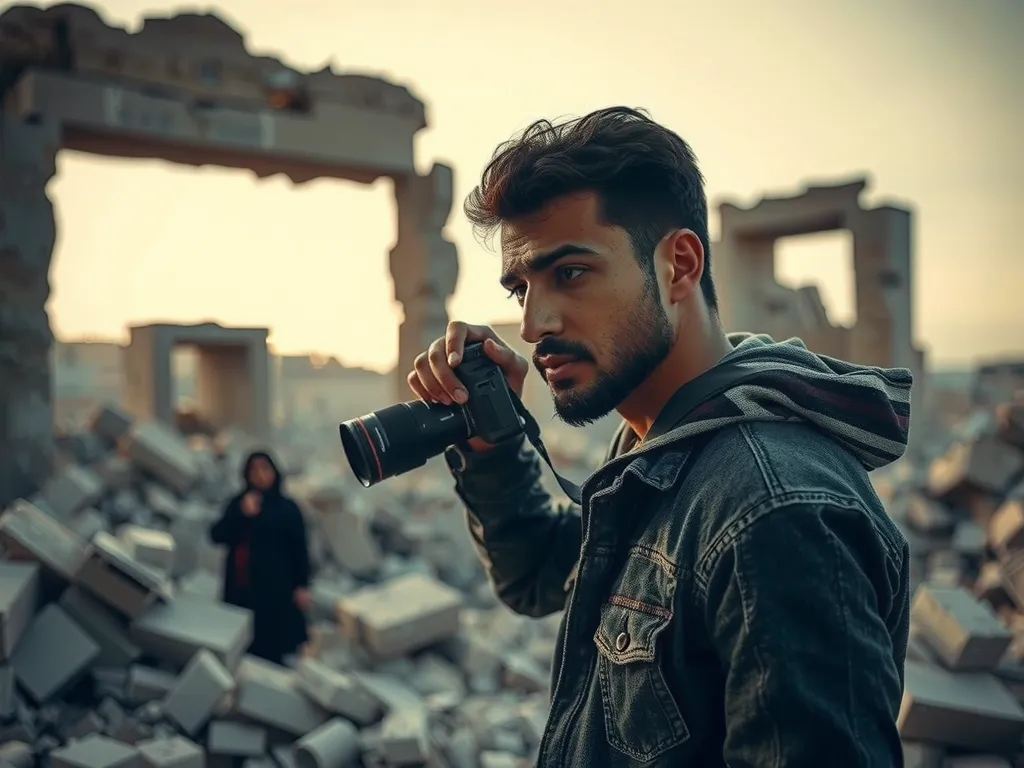
In a time dominated by digital media, visual storytelling offers an immediate and potent way to express the deep human suffering within the Syrian conflict. Photographers like Ghaith Alsayed capture moments of sorrow and strength, showing layers that words alone can’t express. His experiences demonstrate that even amid ongoing horror, faith and resilience persist—urging the world to recognize and act, as shared by
Al Jazeera
.
Case Studies: Stories that Touched the World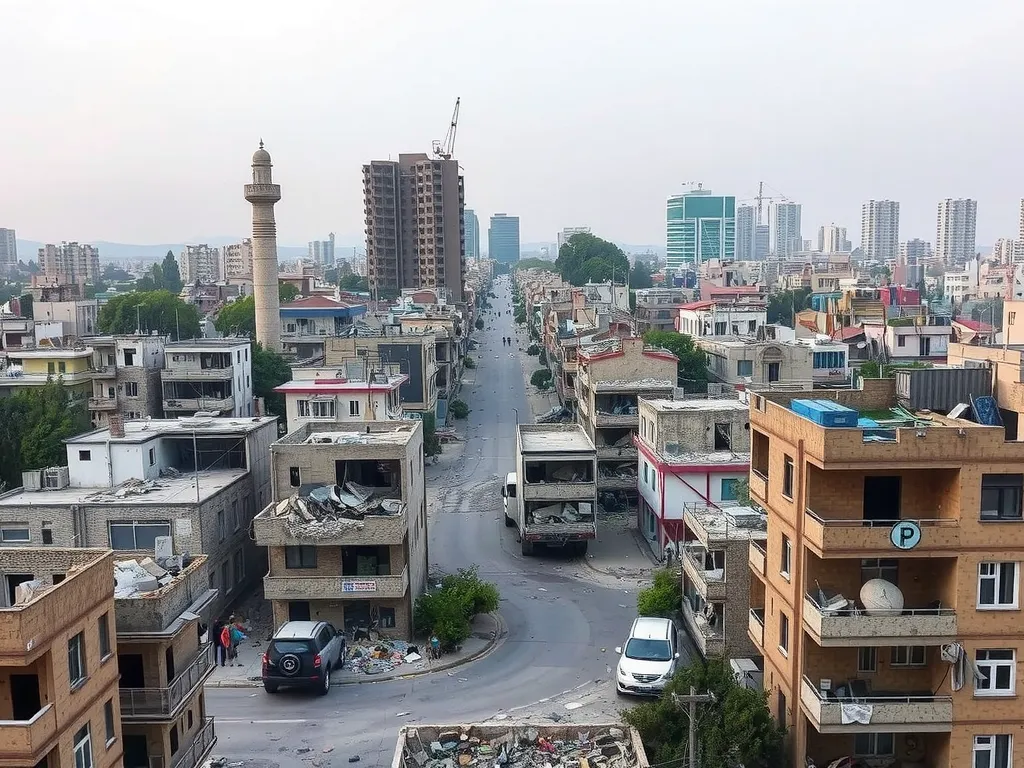
Ben Hubbard and David Guttenfelder’s journey through post-conflict Syria explores the balance between hope and the remains of war, offering a moving narrative through their striking visual reporting (
nytimes.com
). Their photos from cities striving to recover, like Aleppo and Daraa, depict both the marks of destruction and the unbreakable spirit of the Syrian people. Similarly, photographer Catherine Ward’s brave exhibit in Aleppo, held amid ongoing chaos, shows the lasting power of images in war zones (
Artsy
).
Practical Tips for Emerging Journalists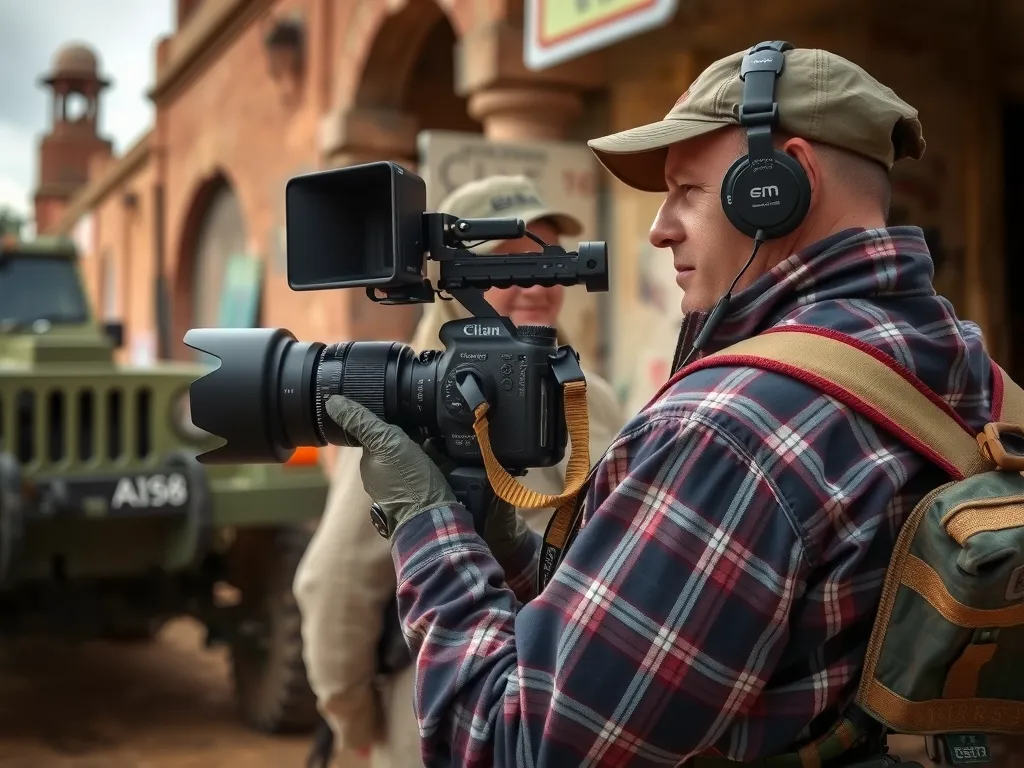
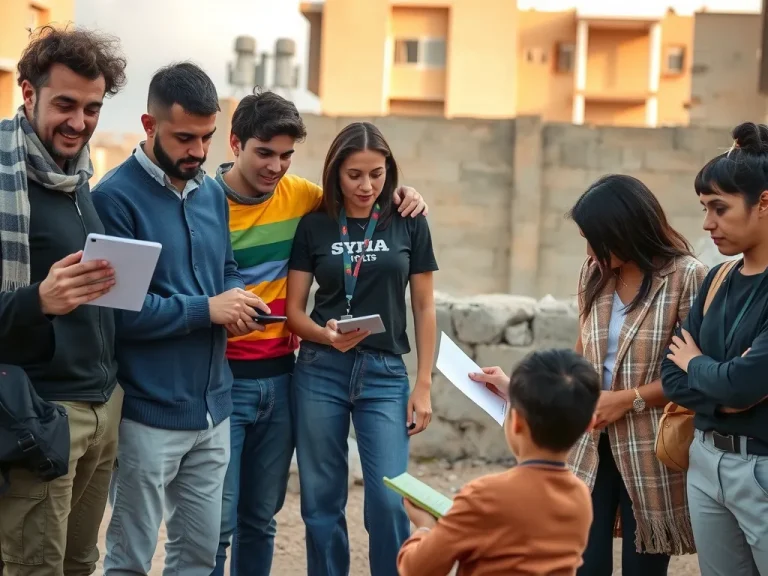
For those ready to enter conflict zones with a camera, understanding the environment and building trust within communities is key. Safety and cultural awareness must come first, as shown by photographers who navigate risks to capture genuine stories. Practical tips include using technology for live documentation without risking safety. It’s also crucial to work with local journalists who can provide insights and connections in the area, enhancing both safety and authenticity of the reporting (
newlinesmag.com
).
The Transformative Power of Visual Media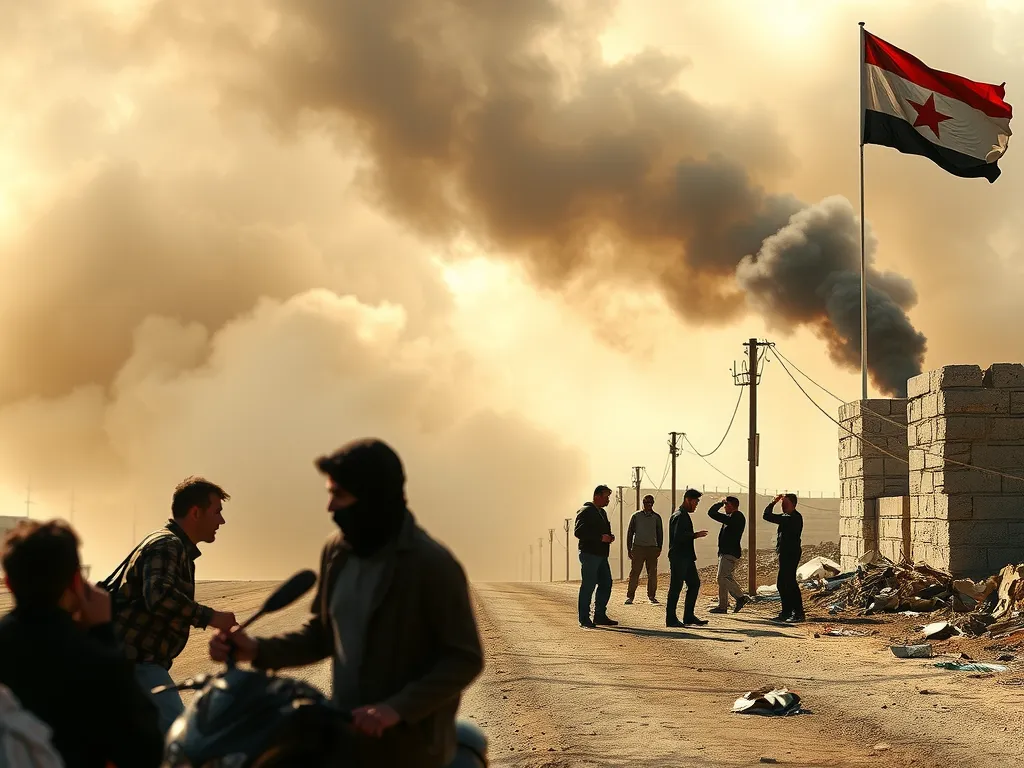
Visual media’s strength lies in its ability to create emotional ties across distances, encouraging global audiences to connect with distant conflicts more directly. The extensive coverage of the Syrian conflict has portrayed it as a “live broadcast,” making the effects of war feel more immediate and urgent (
newlinesmag.com
). Through powerful imagery, photographers continue to inspire deep empathy and drive global discussions about humanitarian efforts and the quest for peace.
In conclusion, visual storytelling is vital to understanding and depicting the complexities of the Syrian conflict. It sheds light on the human toll behind politics and power struggles, turning brief images into lasting memories. By capturing and sharing stories of strength and sorrow, photographers help shape narratives and encourage a worldwide call for understanding and change, making the visual medium not just a tool for documentation but also a strong force for advocacy.